
Ressource Scientifique

Blog
17/10/2023
Targeted RNA degradation: Principle and Therapeutic Promises
RNA, or RiboNucleic Acid, is a structured macromolecule which plays a central role in numerous cellular functions.
Blog
19/09/2023
Breaking Barriers in Oncology Drug Development: Unveiling the Potential of 3D Cell Models for Drug Discovery
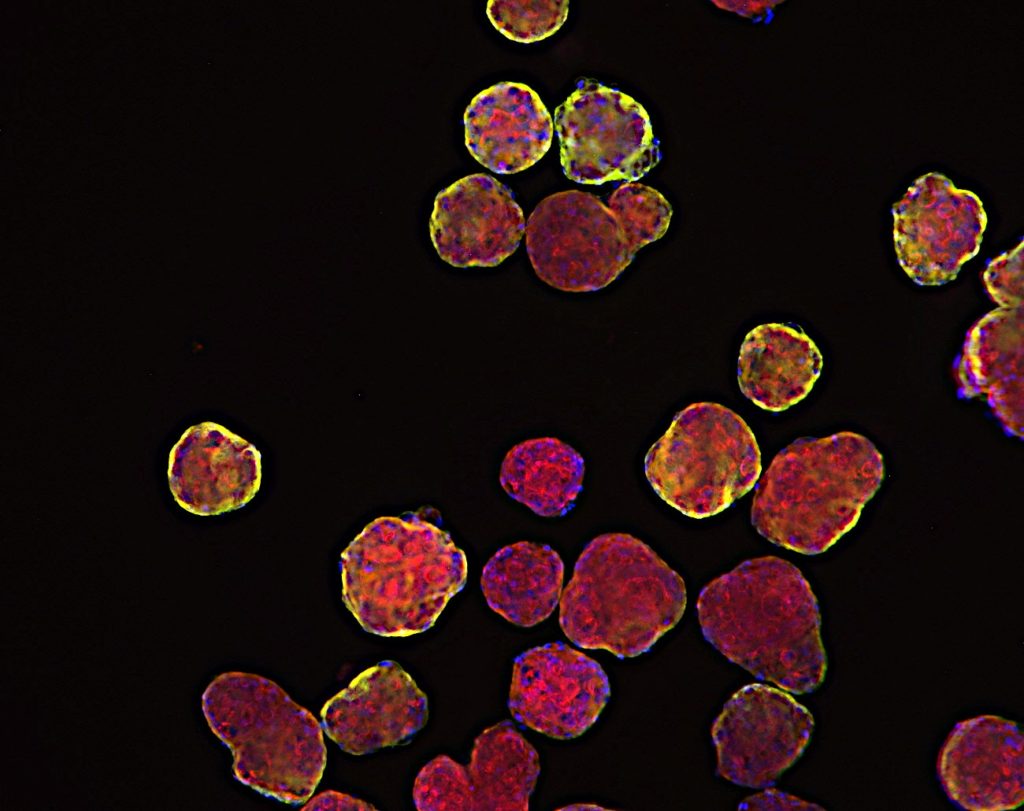
Blog: 3D Cell models are revolutionizing Cancer Drug Development. Here, we present the main advantages to better understand tumor complexity
Publication scientifique
24/07/2023
Leucettinibs, a Class of DYRK/CLK Kinase Inhibitors Inspired by the Marine Sponge Natural Product Leucettamine B
Dual-specificity, tyrosine phosphorylation-regulated kinases (DYRKs) and cdc2-like kinases (CLKs) recently attracted attention due to their central involvement in various pathologies.

Blog
11/07/2023
CADD: computer tools and chemists combine to make better drug leads
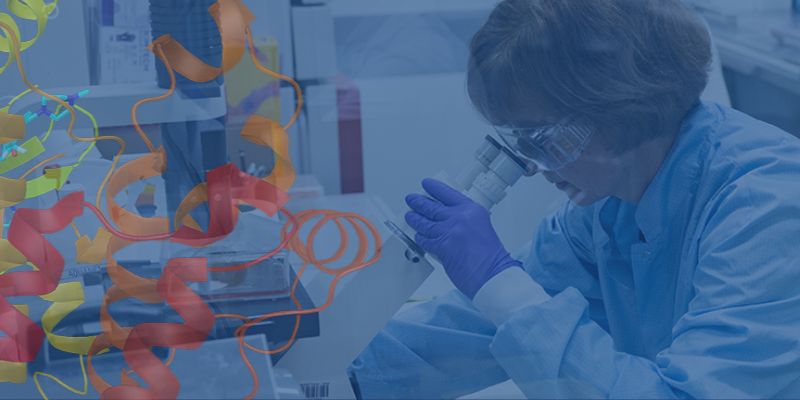
Sylvain Lozano, computational chemist, explains the important role these tools play in our drug discovery journey.
Blog
29/06/2023
Why you should consider tumor microenvironment for cancer therapy?
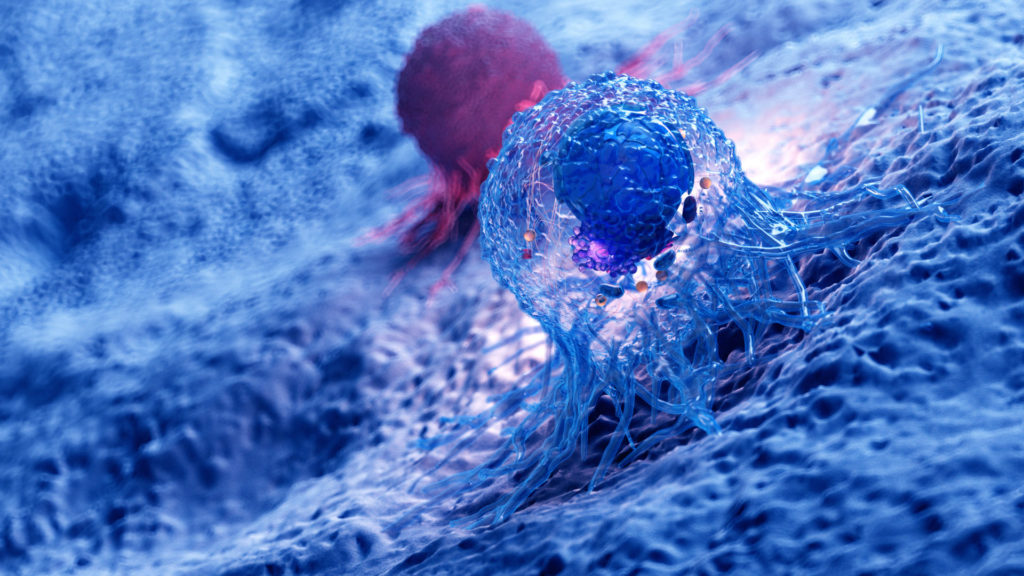
Combination of Tumor microenvironment and modulating therapeutic approaches may be required to overcome the resistance to treatments and prevent tumor recurrence.
Webinaire
19/06/2023
[EN] Kinase Inhibitors for Inflammatory Diseases: Preclinical Development
Join the featured speakers for an informative webinar on unlocking the synergy in preclinical models and the importance of target validation for the personalized treatment of pancreatic cancer.

Blog
15/06/2023
How to mimic long COVID for drug discovery?
Long COVID is a complex multisystemic condition still poorly understood. Using optimal preclinical models is essential to understand their mechanisms better and develop new treatments.
Blog
17/05/2023
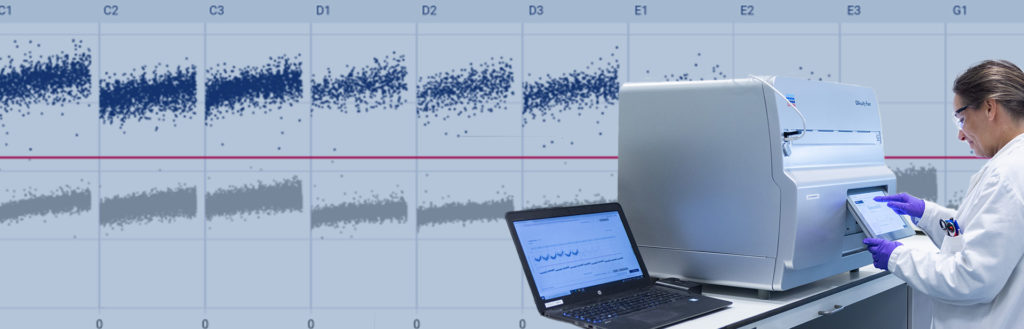
Five Reasons why you should switch to digital PCR (dPCR)
Digital PCR has enhanced characteristics over qPCR across both its Protocols and Applications, including higher precision and sensitivity. Learn more here.
Webinaire
17/05/2023
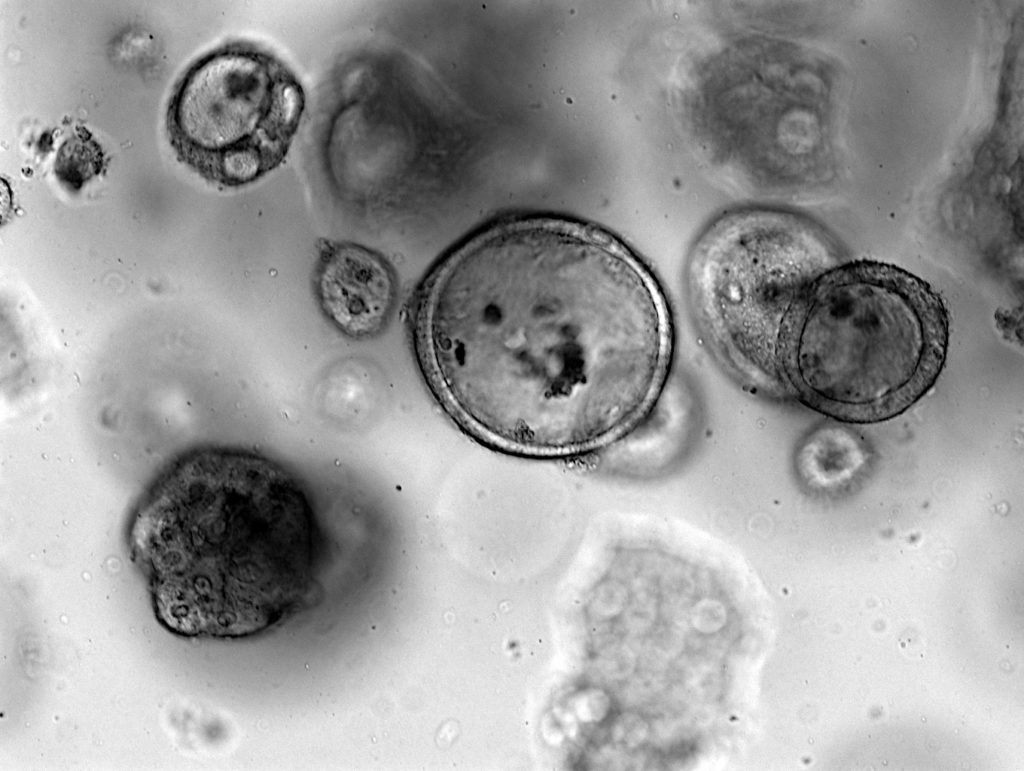
[EN] Preclinical Models for the Identification of Chemotherapy Predictive Signatures in Pancreatic Cancer
Join the featured speakers to learn how they utilized preclinical models such as primary cell cultures, patient-derived xenografts, and patient-derived organoids to develop unbiased predictive RNA-based signatures.
Blog
09/05/2023
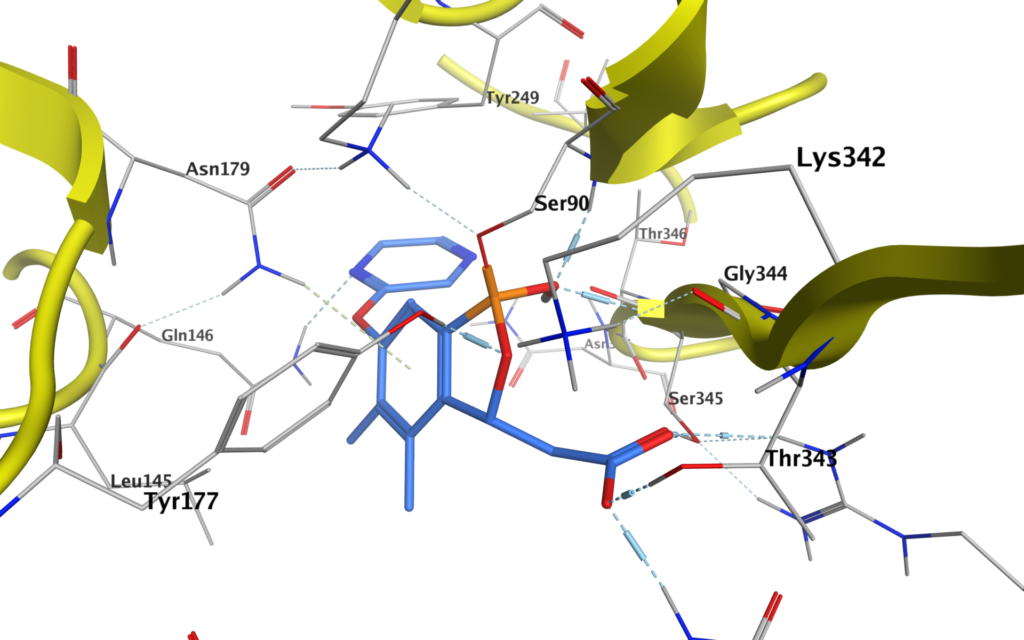
Covalent drugs and the potential of benzoxaboroles
Molecules based on boron and benzoxaboroles are exciting as reversible covalent binders to target the serine and threonine proteome.
Ressource Scientifique
09/05/2023
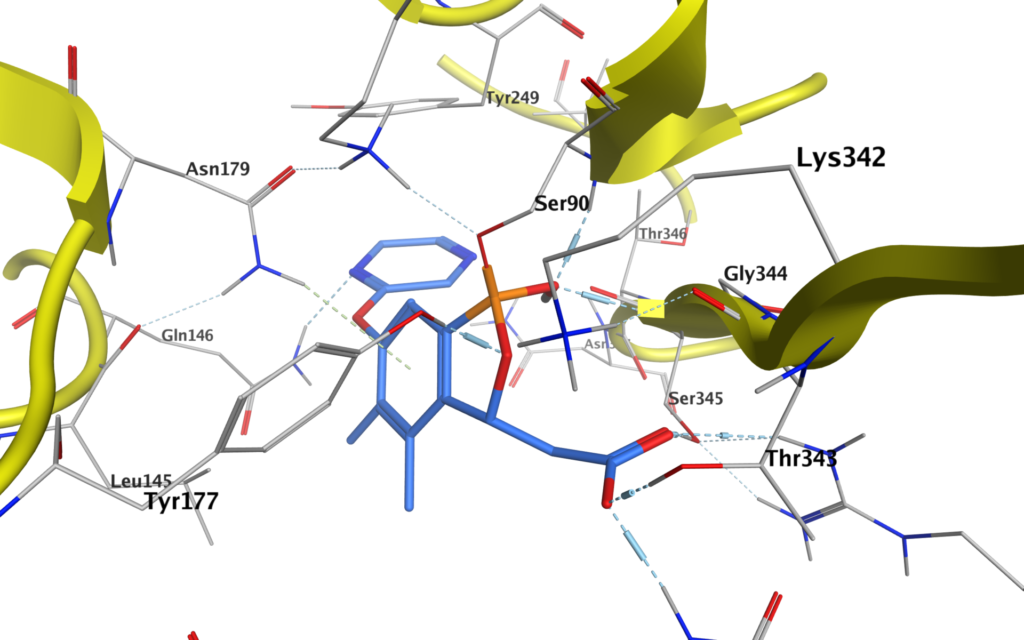
Recent trends in drug discovery of covalent binders
Download the complete e-book on the role of boron and benzoxaboroles as reversible covalent binders to target the serine and threonine proteome.
Poster
09/05/2023
Generative AI Empowers the Search for PIM-1 Kinase Inhibitors: unveiling Novel Promising Chemical Entities
Discover this new poster co-written by Oncodesign Services and Iktos on the Generative AI Empowers the Search for PIM-1 Kinase Inhibitors.