
Have questions or want to find out more?
Strategies to identify high-quality hits beyond traditional HTS.
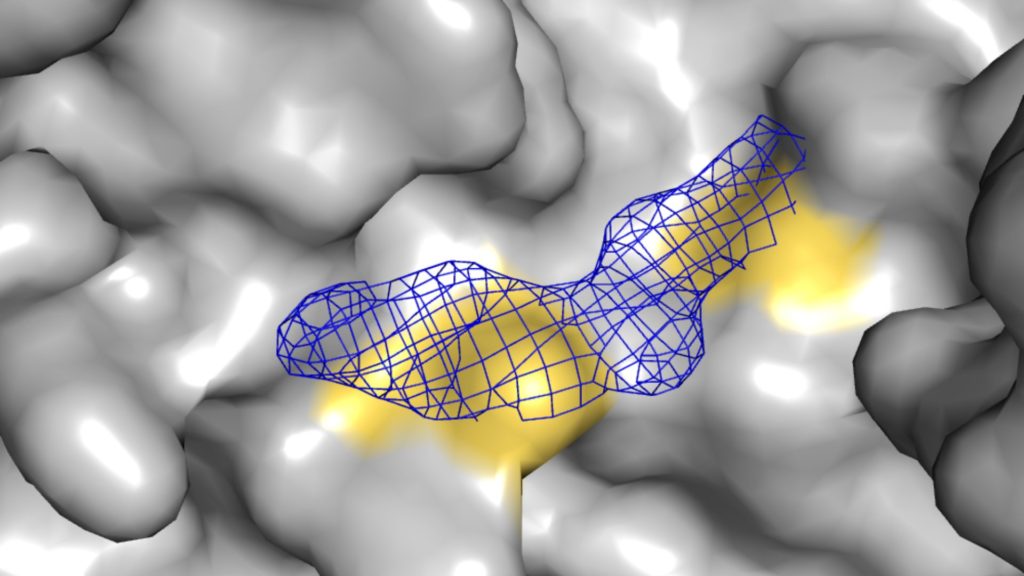
Drug discovery teams face persistent obstacles when tackling targets that defy traditional small-molecule approaches. Flat protein-protein interaction (PPI) surfaces, shallow or dynamic binding pockets, and unsuccessful HTS campaigns often produce weak or unprogressable hits. For organizations pursuing novel targets or molecular glues, selecting a suboptimal strategy can waste time, budget, and momentum.
This webinar will present practical strategies to address these challenges, emphasizing how to align a discovery campaign with the screening method(s) most likely to deliver tractable results. You will learn how to assess target space, pair suitable screening routes, and design discovery campaigns that maximise success potential. We will focus on fragment-based, covalent compound, and DNA-encoded library approaches, coupled with chemistry strategies to select and quickly progress genuine, high-quality hits.
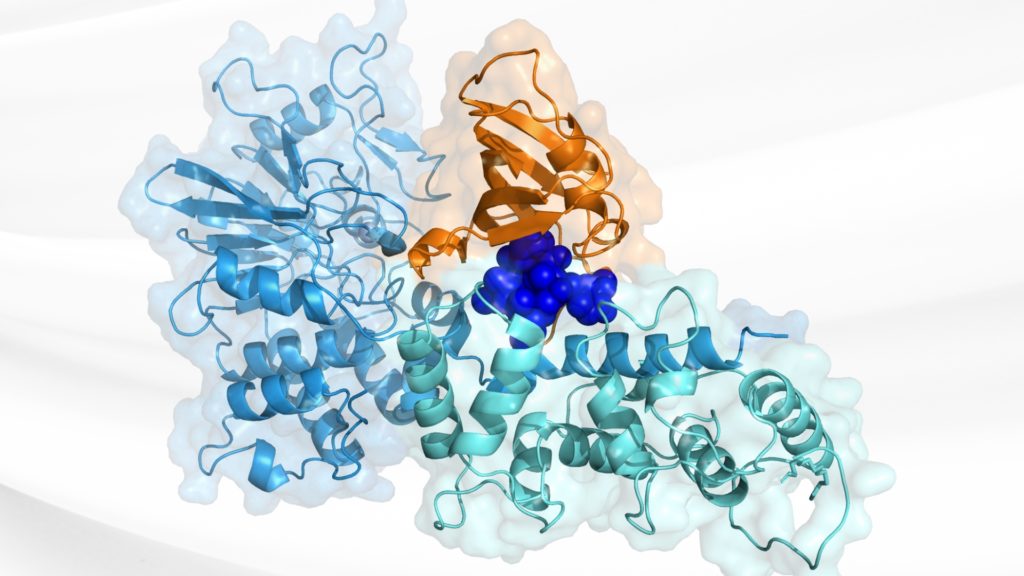
Our experts will illustrate how covalent compounds can enable both disruption and stabilization of PPIs, including applications in molecular glue discovery. We will show how exquisite cooperativity can be achieved, along with practical guidance on distinguishing true hits from artefacts and improving hit quality.
If you are working with difficult targets, stalled programs, or exploring molecular glue opportunities, this session will provide clear, actionable strategies to identify and progress true hits. Register today to learn how to turn resistant targets into tractable opportunities.
Learn how to:
- Identify key challenges that make certain biological targets resistant to traditional small-molecule approaches.
- Compare conventional screening methods with covalent, fragment-based, and DEL strategies.
- Evaluate when to apply covalent approaches in PPI and molecular glue campaigns.
- Apply best practices to improve hit quality and reduce artefacts in early discovery campaigns.
Presenters
Gregg Siegal, PhD.
CEO ZoBio, Leiden
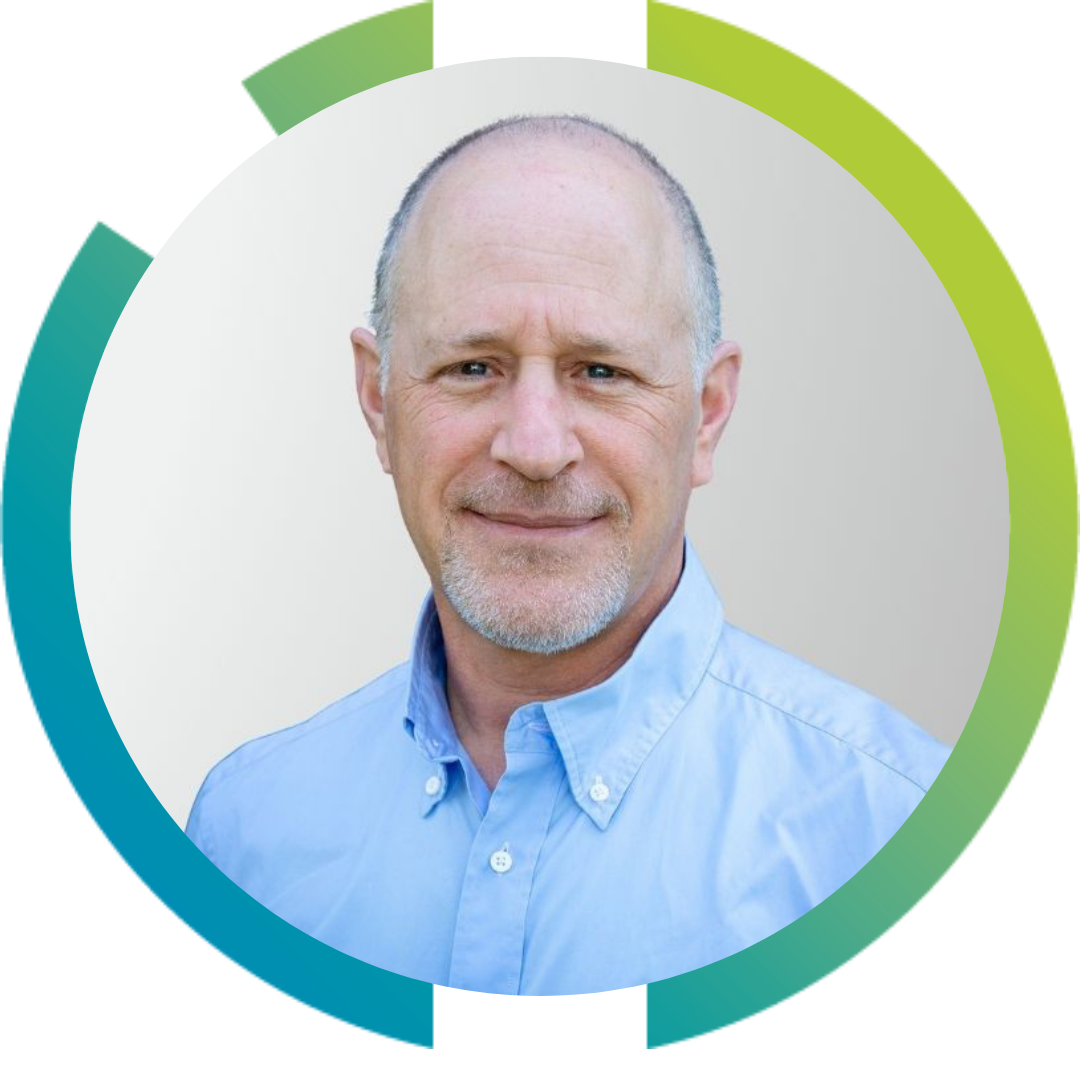
Dr. Gregg Siegal obtained his Ph.D. in biochemistry at the University of Rochester in the USA. During subsequent post-doctoral research with Professor Kurt Wüthrich at the ETH in Switzerland and Professor Paul Driscoll at the Ludwig Institute of Cancer Research in the UK, Dr. Siegal developed expertise in protein NMR and its applications in modern drug discovery. He moved to Leiden University in 1997 where he received a Dutch Royal Society Fellowship to form his own research group. During this period, he developed the Target-immobilized NMR (TINS) ligand screening technology which became the basis of ZoBio, spun out in 2004 and specializing in complex small molecule early discovery research and hit identification.
The ZoBio team in Leiden, Netherlands, joined the Oncodesign Services group in early 2024, adding their extensive expertise and experience in tactical early discovery approaches to our existing late discovery and preclinical portfolio.
Guest Presenters:
Johan Veerman, PhD. Head of Chemistry, Leiden.
Johan Veerman studied at the University of Amsterdam and obtained a PhD in synthetic organic chemistry in the area of solid phase chemistry under the supervision of Professors Henk Hiemstra and Floris Rutjes. He then joined Symeres as a Senior Scientist, progressing to a position as Senior Group Leader Medicinal Chemistry. In this role he was responsible for the project management of multiple teams of (medicinal) chemists in hit–to–lead campaigns, covering several disease areas. After that, he joined ZoBio (acquired by Oncodesign Services in early 2024) where he is now the head of Chemistry. In this role, he is responsible for the development and maintenance of the fragment library, project management, and medicinal chemistry support in fragment hit finding and evolution in integrated projects.
Connect with Johan on LinkedIn
Pim de Vink, PhD. Senior Scientist Assay Development and Screening, Leiden.
Pim de Vink is a Chemical Biologist currently working in the Assay Development and Screening Group at ZoBio (The Netherlands), which was acquired by Oncodesign Services in early 2024. After studying Chemistry at the University of Amsterdam, he pursued his Ph.D. at Eindhoven University of Technology under the supervision of Prof. Luc Brunsveld and Christian Ottmann, focusing on the principles of molecular glues. His current research interests include discovering new molecular glues and allosteric modulators, using integrated biophysical techniques, with Surface Plasmon Resonance (SPR) playing a significant role in his work.
The ZoBio team in Leiden, Netherlands, joined the Oncodesign Services group in early 2024, adding their extensive expertise and experience in tactical early discovery approaches to our existing late discovery and preclinical portfolio.