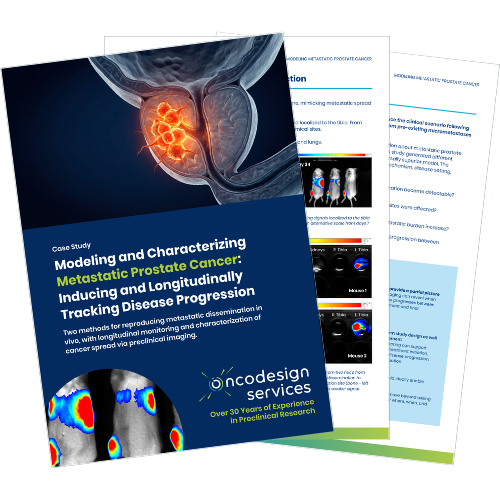
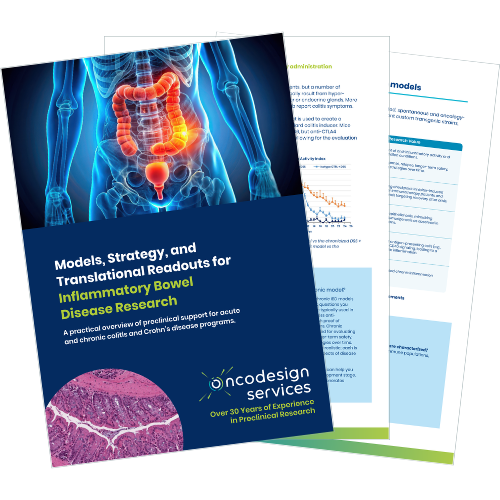


How to use optical and nuclear imaging to generate longitudinal whole-body, 3Rs-aligned biodistribution data.
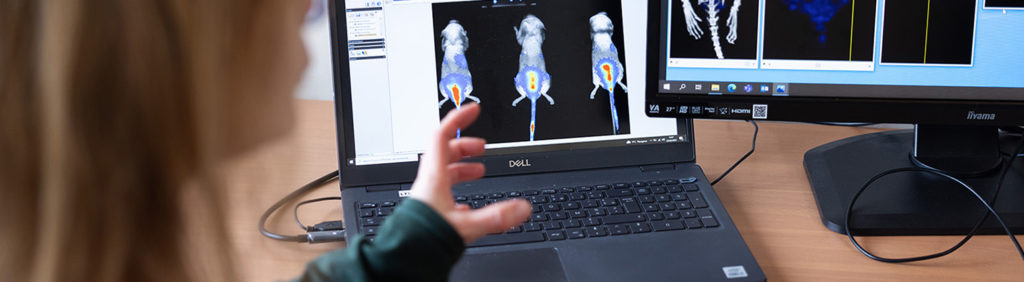
Discover how longitudinal imaging can provide greater insight from fewer animals, supporting more informed preclinical decisions and the 3Rs. Explore how distribution can be revealed over time rather than at a single endpoint, helping assess target-site accumulation and off-target exposure. Compare the strengths and limitations of optical imaging, PET and SPECT, and learn how to select an approach that fits your program’s scientific questions and quantitative needs.
In this webinar you will learn:
- The limitations of conventional biodistribution approaches and their impact on translatability.
- When to apply optical versus nuclear imaging techniques based on study objectives and constraints.
- How imaging can support longitudinal study design, reducing and refining the requirement for animal models in biodistribution studies.