

Asthma mouse models supported by inflammatory and lung function endpoints.
Oncodesign Services offers OVA and HDM-induced allergic asthma mouse models and HDM–RSV exacerbation models for the preclinical assessment of new therapeutic approaches. Studies can integrate BALF immune-cell and cytokine analysis, IgE measurement, lung histology, gene expression, and lung function assessment using methods such as FlexiVent.
Our inflammation scientists help ensure model selection, protocols, treatment schedule, and readouts / endpoints are correctly aligned with your study goals. Bespoke model development is available where established approaches are not exactly the right fit.
Validated asthma models and translational readouts
Oncodesign Services can help you select the best models, readouts and endpoints to recapitulate the features of human asthma disease required to properly assess the effectiveness of your candidate.
Our in vivo models bank includes:
- Allergic asthma model in mice, induced by house dust mites (HDM)
- Asthma exacerbation model in mice, induced by RSV + HDM combination
- Allergic asthma model in mice, induced by Ovalbumin (OVA) sensitization
Typical readouts for inflammatory lung diseases:
- Body weight
- Lung weight
- Clinical score
- Antibody Production (specific IgE)
- Lung histology (edema, inflammatory infiltrates, mucus production)
- Gene expression
- Lung function, including hyperesthesis (FlexiVent, SCIREQ)
- Broncho-alveolar fluid (BALF) cell count and cytokine concentration
- Biomarker / drug monitoring
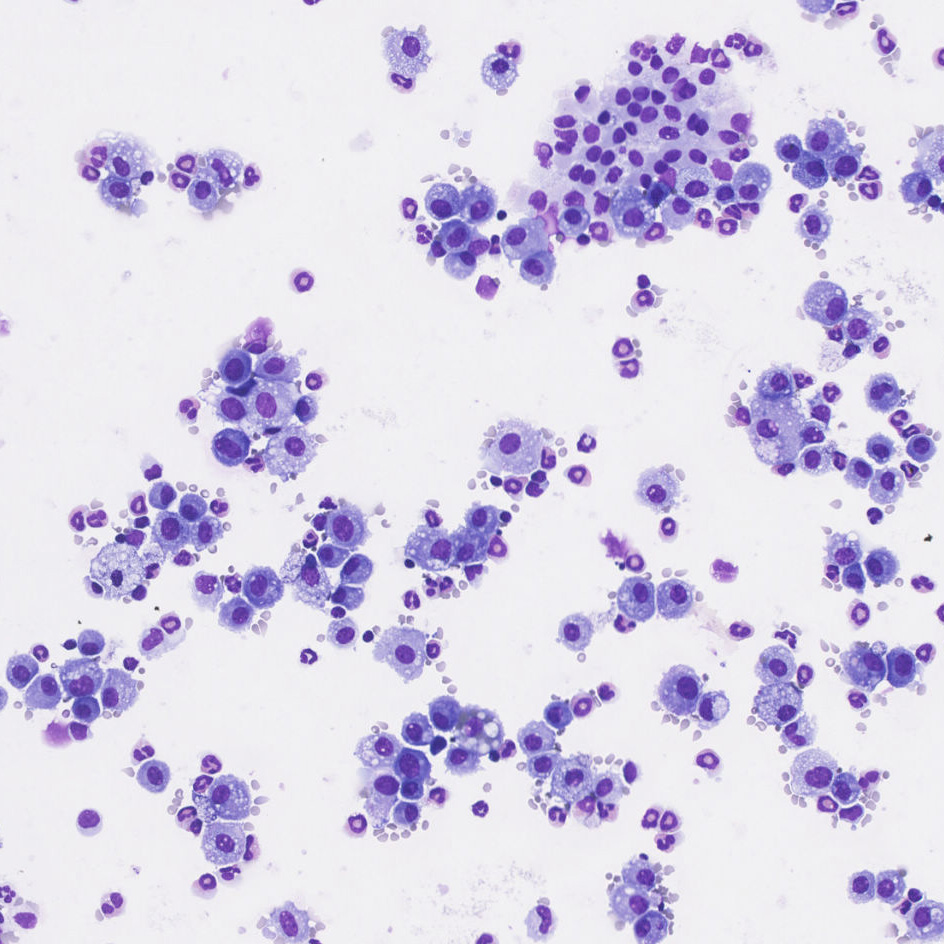
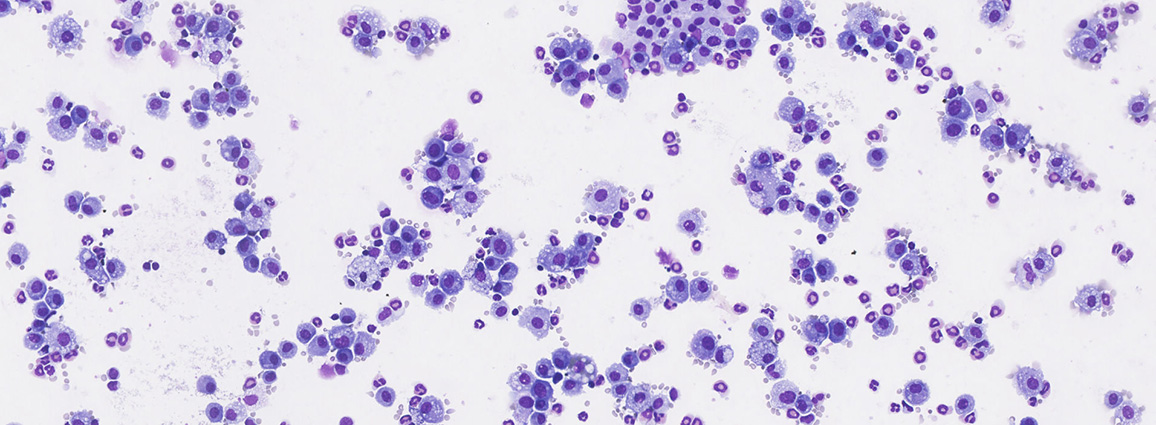
BAL cells in an OVA model of asthma (MGG stain).
Confirm model suitability before study initiation
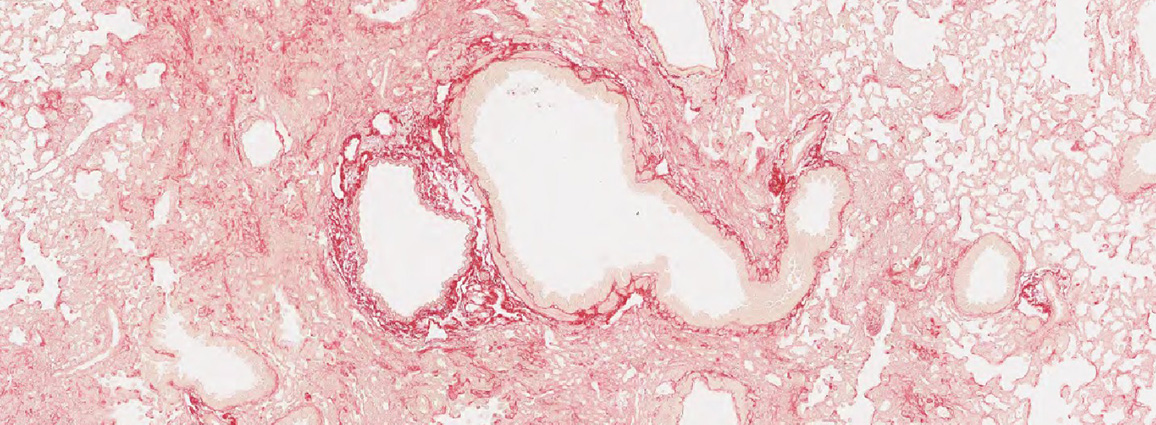
To support confident model selection, histology samples from established asthma research models can be accessed ahead of full study commitment. Immunohistochemistry (IHC) or FISH analyses may be performed to assess target expression and tissue localization, helping confirm biological relevance before program initiation. Available samples for asthma currently include:
- HDM asthma
- Intratracheal bleomycin
Combining different models and approaches enhances the translational relevance and robustness of preclinical research in asthma drug development.
Induction breakdown for the HDM allergic asthma model
House dust mites (HDM) are one of the most common sources of indoor allergens and a significant factor underlying allergic rhinitis and allergic asthma. HDM intranasal challenge can be used in BALB/c mice to reproduce many key features of clinical asthma, including:
- Elevated levels of IgE
- Airway inflammation
- Goblet cell hyperplasia with mucus overproduction
- Release of inflammatory mediators and cytokines primarily associated with Th2-type inflammation
- Responsive to fluticasone (inhaled corticoid)
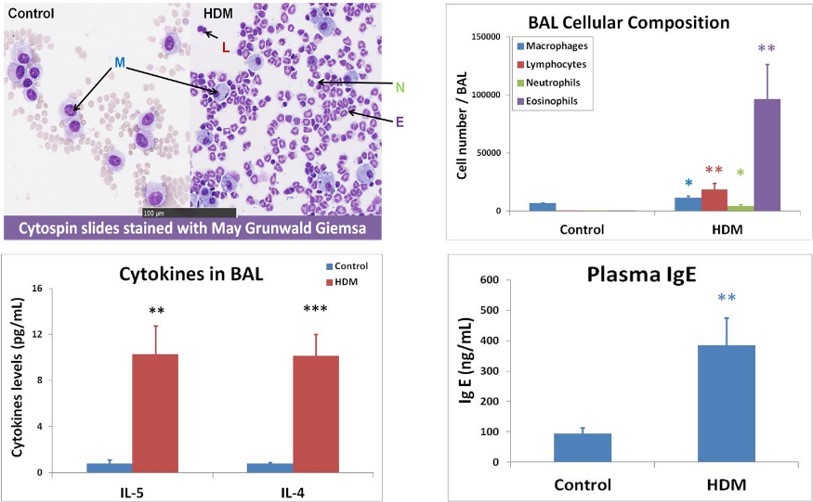
(HDM challenge (IN) administered 5 days per week over 3 weeks.)
Right: Results show allergic signature in bronchoalveolar lavage fluid (BALF) and in plasma with elevated eosinophil contents as well as TH2 cytokine concentrations in the BALF, and elevated IgE levels in the plasma.
Learn more about partnering with Oncodesign Services:
Oncodesign Services combines translational inflammation experience with a flexible approach to preclinical research, supporting both standard and customized study designs. Alongside an extensive portfolio of acute and chronic inflammatory disease models, we offer bespoke model development to address specific scientific questions and emerging therapeutic approaches.
Our scientific team are available to provide guidance from study planning through data interpretation, with comprehensive readouts including histology, clinical scoring, biomarkers, and functional endpoints. Histology samples are also available to support feasibility assessments and model selection before study initiation.
Contact our team to discuss your research objectives, explore the most appropriate models and endpoints, or request a quotation.
Oncodesign Services (ODS) has been a trusted preclinical partner for several years. The team consistently demonstrates scientific excellence and reliability, tailoring preclinical protocols to our exact needs.
Their ability to rapidly action and deliver projects has made collaboration in oncology research efficient and straightforward. Clear, responsive communication is crucial to us, and the strong working relationship with our client manager makes coordination very easy.
We appreciate the professionalism, confidence, and flexibility ODS brings to every project.
Oncology Biopharma Organization (Europe)


Frequently asked questions about our asthma mouse models
Does Oncodesign Services support both chronic and severe asthma studies?
Yes. Chronic exposure and severe asthma models can be used to investigate long-term airway remodeling, fibrosis, steroid resistance, and persistent inflammation relevant to difficult-to-treat asthma populations.
Can studies be customized for specific therapeutic targets?
Absolutely. Protocols can typically be tailored to specific pathways, biomarkers, dosing regimens, allergen challenges, and therapeutic modalities. Customized study designs help align preclinical data with sponsor development goals.
How do your asthma mouse models support translational research?
Translational relevance is strengthened through clinically relevant allergens, biomarker analysis, lung function testing, and integration of human cell–based systems where appropriate.
Contact our team to learn more about how we build an asthma study.